

Diploma in Spiritual Coaching & Caregiving
CFI L3 – Ofqual Register Qual No: 601/8673/2 Sector Subject Area: Health and Social Care
The UK’s pioneering accredited vocational course in practical spirituality and wellbeing
Spirituality is increasingly recognised as vital to health and wellbeing. Our Ofqual-registered vocational diploma — the only UK course of its kind — equips people of all faiths, and none, to integrate spiritual care into their personal, professional, or voluntary lives. Guided by expert tutors, you’ll learn to support others with clarity, compassion, and practical strategies that connect spirituality with meaning, purpose, and wellbeing. You will also learn how to offer support to someone in spiritual crisis.
Dates for 2027 Delivery, Requirements, Application
Dates to come. In general the qualification is delivered for 2 hours online for 30 sessions.
Students must be able to attend all sessions; and also be available for four tutorial sessions. (The timing of these tutorial sessions to be negotiated between student and tutor.)
Tech and online sessions
Students must be comfortable with digital technology, online work and meet the following conditions:
You will need: Computer/Tablet with stable internet connection that can support a Zoom video call. (You cannot join via a phone, except for exceptional circumstances.)
During sessions your camera will always be on and your microphone needs to be fit for purpose.
You attend sessions in a private space where you are alone. Ideally, staying in the same location throughout the session.
You will participate in small groups, breakout rooms and plenary sessions. This will sometimes involve talking with fellow students and tutors about your personal journey.
You are able to record short audio files as part of your portfolio admission.
You are confident in uploading documents to a cloud based application to submit work to your portfolio (such as Word, PDF and audio files).
Assignments and Assessment
Assignments will be uploaded via an online portfolio system, which will be fully explained.
Assignments are mainly reflective writings based in your personal experience, which will be fully explained at the start of course.
There will also be observational assessments of your ability to use appropriate communication and mindfulness skills.
You are also required to conduct and log a daily spiritual wellbeing practice.
For the full Ofqual specification of our qualification click here
Fees
The full fee for the course and qualification is £2790.
You will receive details about how to pay etc after having been accepted on to the course.
An immediate deposit of £360 will be required
A staggered payment scheme can be arranged. Please mention in your application email.
All enquiries about fees and payments go to our administrator, Diana Forrester-Brown — [email protected]
To Apply
Applications for our 2027 course are now open.
Please download and fill in our application form. Then email this form, along with a copy of your CV, to our administrator, Diana Forrester-Brown — [email protected]
We look forward to hearing from you.
Download the application form here – Application Form
Policies, Refunds, etc
You will find all our relevant policies click here.
Click on each Unit below for a fuller description of the Unit.
In this unit learners explore the concepts and practices of spirituality that can benefit health and wellbeing. They are introduced to both a diversity of approaches and also generic similarities. They are supported in exploring and clarifying the circumstances and approach that best support their own spiritual practice; and then implementing this into a daily routine. They explore how spiritual practices can be developed and deepened to support health and wellbeing.
In this unit learners explore, implement and develop strategies of reflective practice. They are facilitated in clarifying their own best circumstances and methods for conducting their own reflective practice. At the same time (building on Unit 1) they explore and develop the core skills of compassionate self-witnessing, mindful awareness of thoughts and feelings, and inner dialogue.
This unit introduces learners to the history, culture and science of the health and wellbeing benefits of spirituality. Learners explore the evidence base, and the physiology and psychology of how these benefits are mediated and achieved. Learners are also introduced to the cultural context of the subject and the communication difficulties and misunderstandings associated with it. Learners are supported in developing and clarifying their own terms of reference. This approach supports learners in becoming autonomous self-managing individuals.
In this unit the historical roots of medicine and spirituality are discussed including those from Europe, the Middle East, Asia, and from tribal traditions. The relationship between spirituality and medicine in contemporary culture is considered, as are authoritative statements on good practice and spirituality including those made by WHO, Royal College of Psychiatrists, Ofsted and the NHS. Learners are encouraged to reflect on their own experiences of spirituality and healthcare and to explore the evidence base for the health benefits of spirituality. The difference between the benefits of religion (faith based communities) and spirituality (individualistic) are explored. Physiological mechanisms, including psychoneuroimmunology (PNI), heart rate variability (HRV), gut ecology and polyvagal theory are introduced and the core concepts of mind-body medicine discussed.
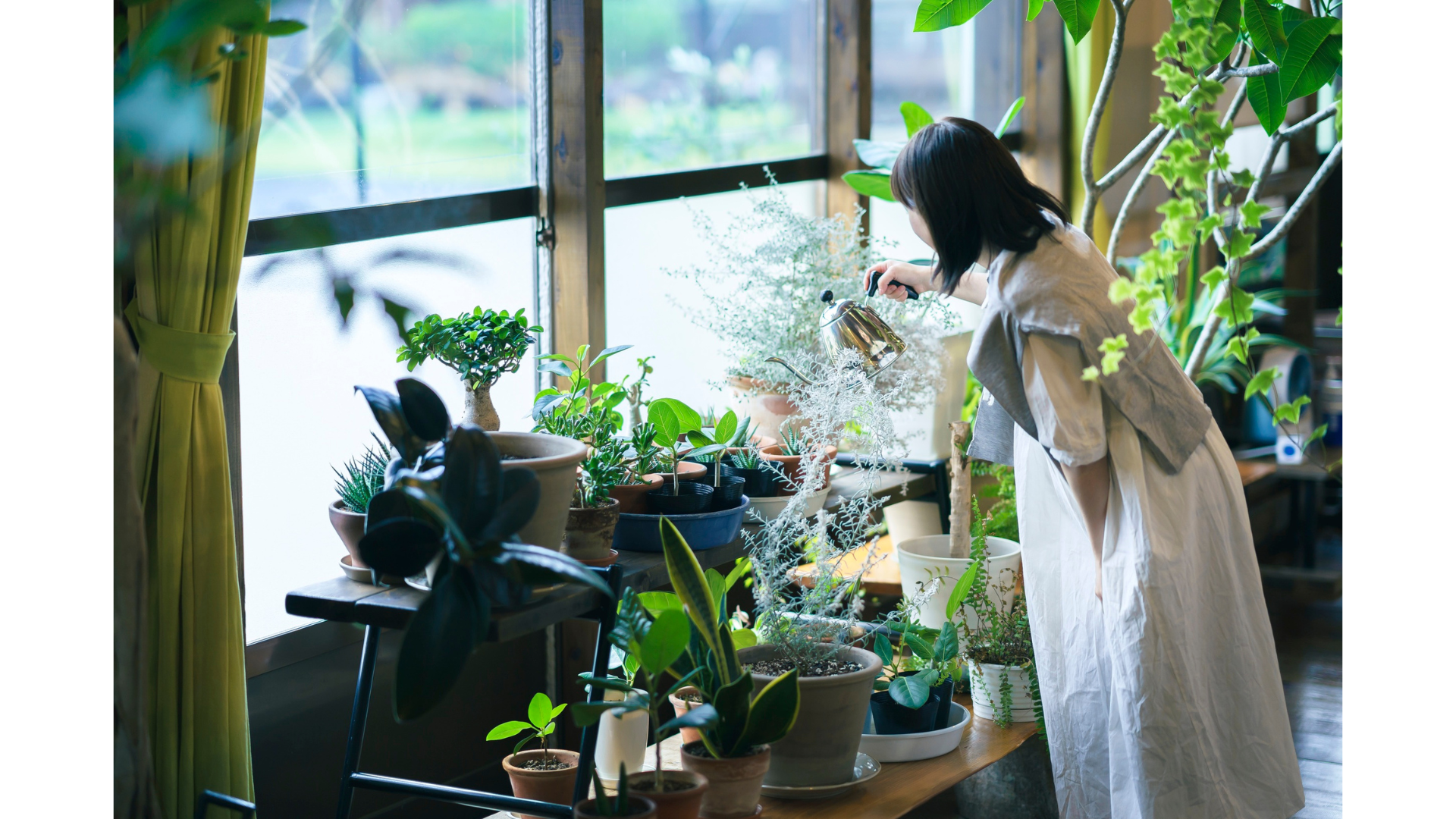
Willa King
“I’d been involved with a lot of spirituality, self-development, mental and physical health over several decades, but was in a lot of physical pain, and was very hard on myself. Now I get to find out how and who I am daily, and able to care for myself and others whole-heartedly. I’m more flexible, present in challenging circumstances, caring and compassionate with others, loving and fun.”
Meet the team
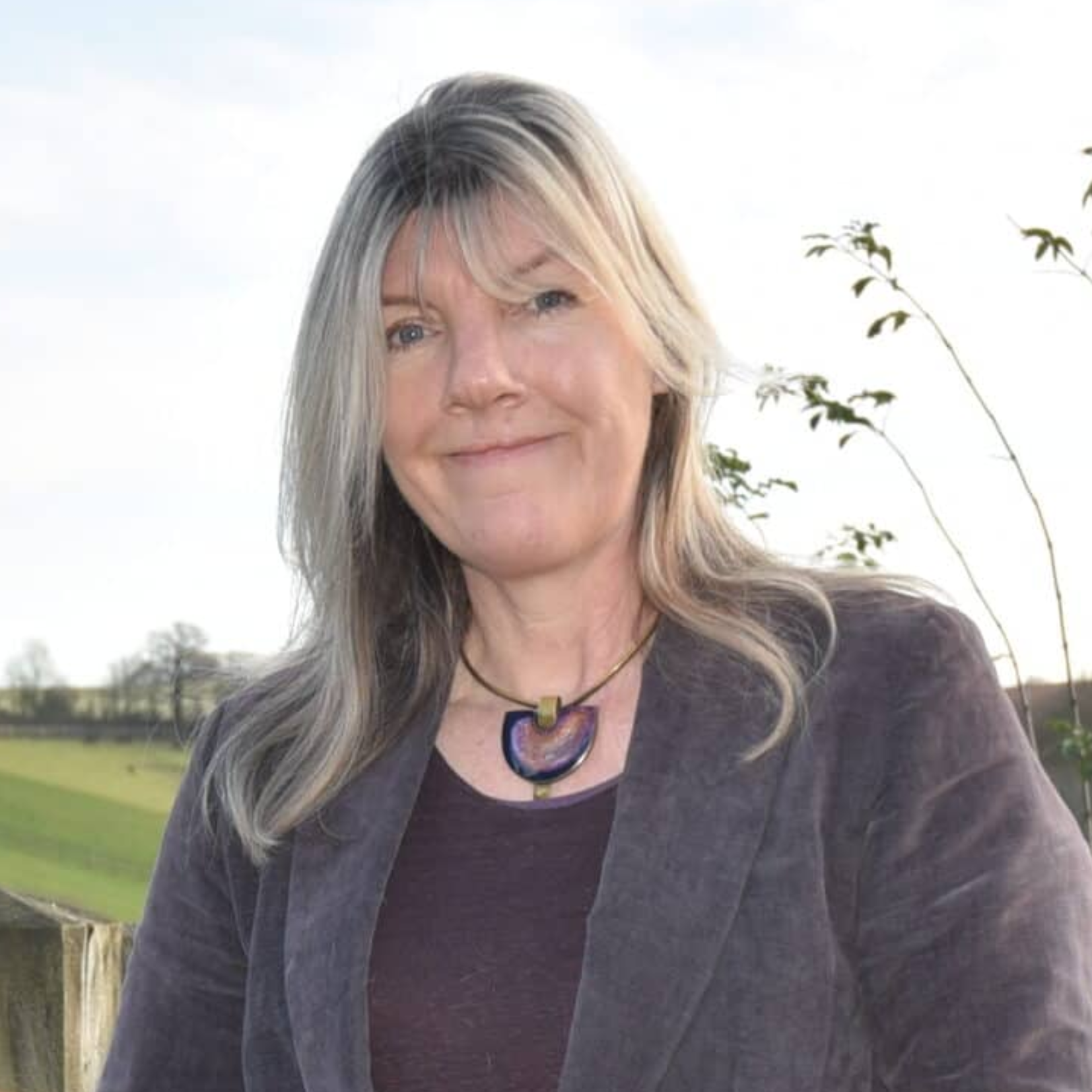
Sarah Jane Williamson
Sarah Jane Williamson
Sarah Jane Williamson is the lead tutor and teacher for this course. She has been teaching spiritual practice and spiritual activism for over 30 years. With a background in education, public health management and the charity sector, she brings a profound awareness of students’ and clients’ needs.
Her spiritual background includes Druidism and the Western mystical traditions. She is a qualified leadership coach and equine assisted learning facilitator with an interest in how human-equine interaction guides our connection with and appreciation of the other-than-human world.
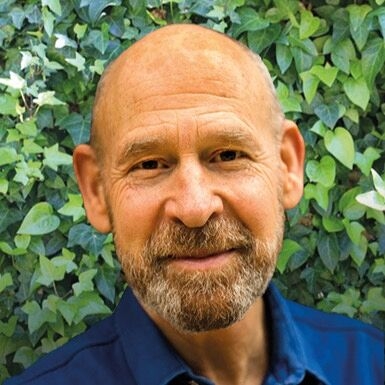
William Bloom
William Bloom
He is continuously in the background of the course, leading internal quality assurance, and teaches in some of the sessions.
So much love and gratitude for the most phenomenal year. You have created something very powerful and I am in deep gratitude. To be part of a caring community of like minded and extremely supportive souls has been a joy and a gift.
Susannah Moore, primary school teacher
Big thank you. I feel I’ve really benefitted from the whole programme. It’s an initiative with real value and something truly ground-breaking.
Paul Smith, university lecturer
I have grown in so many ways! This course has opened my eyes to a world and universe I never realised was so big. The awareness I have with how I behave and respond to my friends, family and clients and their response in return is just fantastic.
Jo Creighton, holistic therapist